
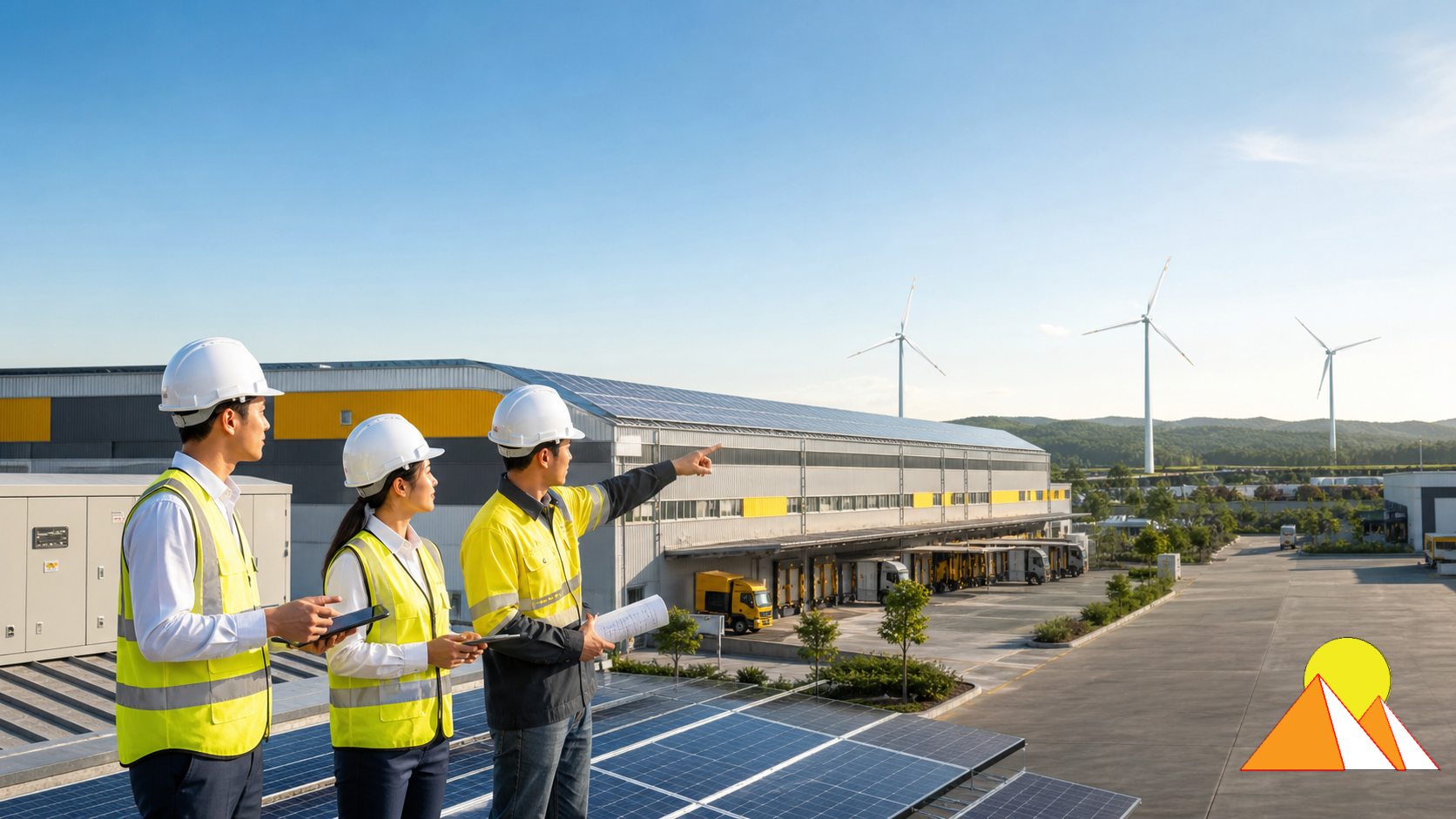
As the global community intensifies efforts towards the Net Zero 2050 goal, transitioning to renewable energy is no longer a "nice-to-have" option but a critical imperative. With green standards increasingly legislated, businesses slow to reduce emissions will face significant pressure from international markets and supply chains.
Why is Transitioning to Renewable Energy a Vital Step for Businesses?
The reality shows that regulations like Europe's Carbon Border Adjustment Mechanism (CBAM) are changing the rules of the export game. Utilizing clean energy not only helps businesses avoid carbon taxes but also serves as a "passport" to enter discerning markets.
According to reports from the International Energy Agency (IEA), the world is witnessing the fastest energy transition in history. For businesses, shifting from fossil fuels to renewable sources is key to reducing dependence on fluctuating grid electricity prices. In the long run, investing in renewable energy is not merely an expense, but an "insurance policy" against the risk of rising energy costs, while also strengthening brand reputation in the eyes of shareholders and customers through ESG (Environmental, Social, Governance) commitments.
Popular Renewable Energy Models for Businesses
Rooftop Solar Power
This solution is preferred by many businesses due to its optimal utilization of factory or warehouse rooftop space. Installing a rooftop solar power system significantly reduces electricity consumption during peak hours – when commercial electricity prices are typically at their highest. Real-world experience at many manufacturing facilities shows that, after operating the system, monthly electricity costs can decrease by 20% to 30%, creating a substantial profit margin for businesses.
Direct Power Purchase Agreements (PPAs)
If initial infrastructure investment is a barrier, the PPA model becomes a flexible financial solution. Instead of self-funding construction, businesses can sign direct power purchase agreements with renewable energy developers. This mechanism allows beneficiaries to access clean energy without concerns about system operation or maintenance.
Renewable Energy Certificates (RECs)
For businesses unable to install on-site systems but still needing to report on sustainability, RECs offer a rapid approach. Each REC unit is equivalent to one megawatt-hour (MWh) of electricity generated from a renewable source, helping businesses transparently quantify their clean energy consumption in emissions reports.
Lessons from the Real-World Implementation by Leading Businesses
An electronics component manufacturing company in a southern industrial park once faced significant challenges due to soaring operating costs. After implementing a transition roadmap to rooftop solar power, they not only cut 30% off their annual electricity bill but also achieved international green certification, subsequently securing numerous large contracts from demanding European partners.
However, this process is not always smooth. Issues concerning energy storage (battery storage) or compatibility with existing grid systems are technical "bottlenecks" that require consultation from professional entities. The lesson learned here is: don't just focus on equipment; focus on a well-integrated roadmap from the outset.
Process for Building a Comprehensive Green Ecosystem
Energy Auditing
Every sustainable step begins with understanding data. Energy auditing helps businesses accurately identify areas of greatest electricity waste. Before considering installing new energy sources, "cutting wasteful consumption" always yields immediate economic efficiency.
Choosing a Reputable Implementation Partner
A good EPC (Engineering, Procurement, Construction) contractor doesn't just hand over a system; they must also accompany the business in terms of maintenance and performance optimization post-installation. Criteria such as international certifications and practical experience in comparable projects are crucial benchmarks for selecting a partner.
Integrating Smart Monitoring Technology
In the digital era, managing energy by feel is insufficient. IoT monitoring platforms help track actual electricity production in real-time, forecast demand, and detect technical issues early. This ensures that system performance is always maintained at its highest level.
Transparency and Commitment Build Trust
Publicly disclosing emissions reports (Scope 1, 2, 3) is the new "language" of communication with financial partners and shareholders. Standards like ISO 50001 (Energy Management) or the Green Building Index are not mere formalities; they are concrete evidence affirming a business's transparency and responsibility. When data is public and verifiable, market trust in the business will be sustainably strengthened.
Future Outlook
Renewable energy is no longer a trend but a pillar for future competitiveness. As government policies become more open to models like DPPA, businesses can expect a more abundant and stable clean energy ecosystem. Investing in renewable energy today is how businesses "buy a ticket" for growth in the next decade.
Author: Sustainable strategy consultant with over 10 years of experience in industrial energy management.