
The journey towards carbon neutrality is no longer a distant concept discussed in international forums but has become a tangible pressure on the global economy, especially during the critical 2024-2026 period. According to the World Energy Outlook (WEO) report from the International Energy Agency (IEA), to uphold the Net Zero emissions target by 2050, the world needs a massive boost in emissions reduction in the next few years. This is not merely a matter for governments but a vital energy challenge for every business.
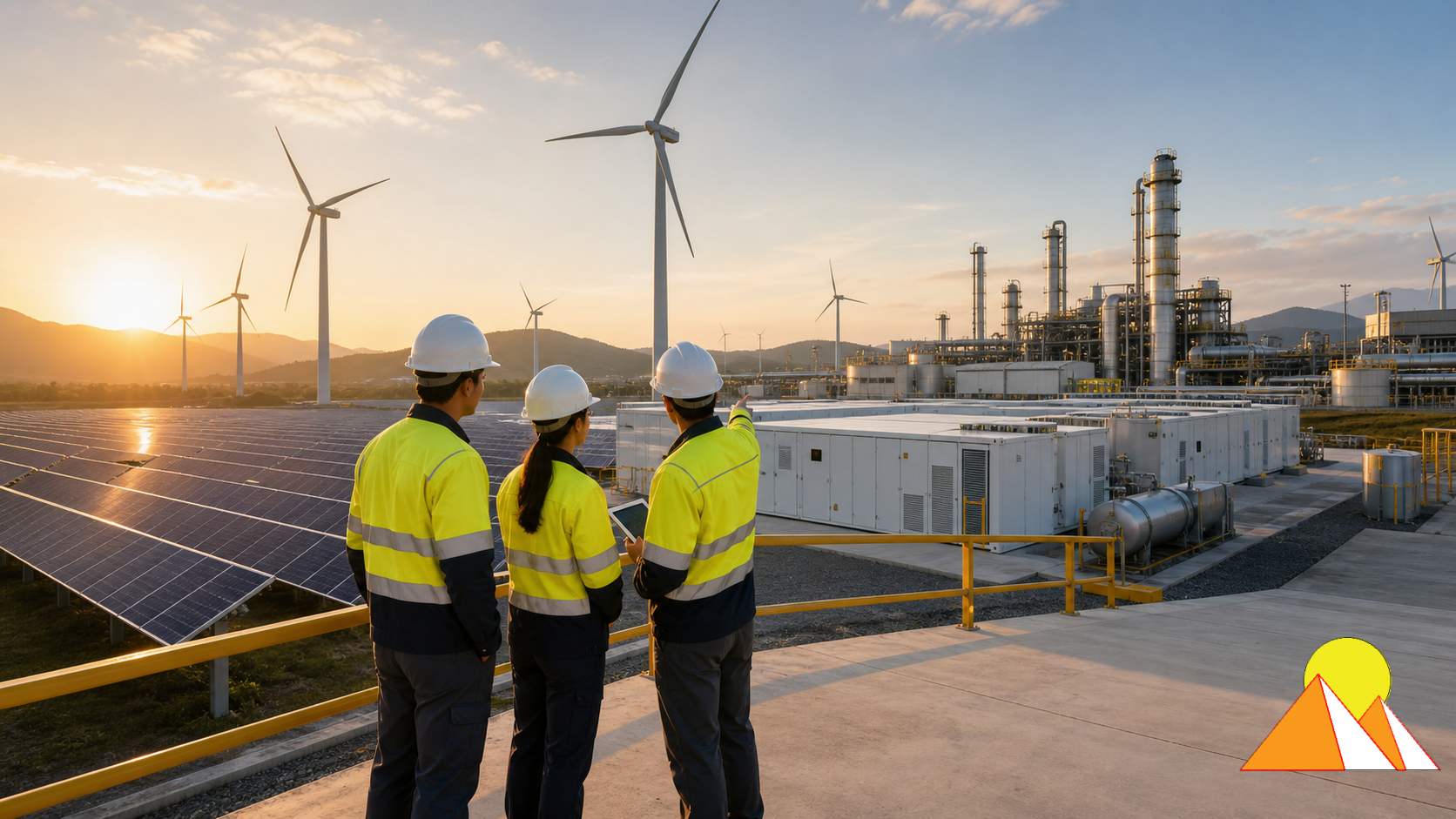
The Urgent Context of the 2026 Carbon Neutrality Roadmap
The 2024-2026 period is considered a "golden window" to reshape energy structures. IEA data indicates that without a strong shift towards clean energy sources, climate commitments will become unfeasible. Emissions reduction pressure stems not only from legal regulations but also from the "greening" demands of supply chains from major import markets. This raises the question: Are current alternative energy sources ready to bear the role of a pillar in national power grids?
Analyzing the Real-World Effectiveness of Key Clean Energy Sources
Solar and Wind Power: Shifting from Small Scale to National Grids
In Vietnam, experiences from rooftop solar power projects and offshore wind farms have yielded valuable lessons. Theoretically, the Levelized Cost of Energy (LCOE) for solar and wind power has significantly decreased, making them directly competitive with fossil fuels. However, in real-world operation, the geographical dispersion and intermittent nature of these energy sources create significant "bottlenecks." Investing in large-scale projects requires meticulous planning for transmission infrastructure to avoid situations where electricity is generated but cannot be fed into the grid due to localized overload.
Green Hydrogen Energy: Potential for Heavy Industries
For sectors like steel or cement production – industries difficult to decarbonize with electricity alone – green hydrogen is emerging as a potential solution. Unlike fossil fuels, green hydrogen is produced through the electrolysis of water using renewable energy, resulting in nearly zero carbon emissions. Research from IRENA indicates that, despite the high cost of hydrogen storage and transportation technology, its integration into heavy industrial processes is incredibly promising. This is the missing piece to complete the comprehensive carbon neutrality picture.
Internal Challenges in Optimizing Renewable Energy
Grid Stability and Battery Storage Technology Issues
A notable reality is the asymmetry between supply and demand. There are times when solar power output exceeds capacity, yet the grid becomes overloaded, leading to wasteful curtailment. The solution lies in Battery Energy Storage Systems (BESS). Real-world projects have demonstrated that with synchronized storage systems, the ability to harness renewable energy becomes significantly more stable and efficient, empowering businesses with greater operational control.
Policy Mechanisms and Investment Capital Barriers
Despite their commitment, businesses still face difficulties accessing "green" capital due to nascent and inconsistent ESG (Environmental, Social, Governance) regulations. Transparency in incentive policies is a crucial factor for attracting long-term capital. When policies are clear and favorable, the financial pressure of technological transition will decrease, enabling businesses to accelerate their roadmap.
Assessing the Likelihood of Achieving Carbon Neutrality by 2026
Based on growth forecast models up to 2026, a gap between commitments and actual implementation still exists. However, efforts from regulatory bodies and the engagement of the private sector are gradually narrowing this gap. Achieving carbon neutrality does not necessarily mean absolute replacement but rather an optimized combination of cleaner traditional energy sources and new renewable ones.
Recommended Optimal Energy Transition Roadmap for Businesses
To keep pace with this roadmap, prioritizing investment in smart grid management technology is essential for real-time electricity consumption control. Additionally, strengthening Public-Private Partnerships (PPP) in energy infrastructure projects will be a "leverage" to share risks and accelerate implementation. Businesses should proactively develop a specific ESG roadmap, starting with greenhouse gas inventories and progressively replacing older technologies with more energy-efficient solutions.
Conclusion and Expert Insights
Clean energy serves as the "backbone" of carbon neutrality strategies. As noted in many energy conferences, instead of viewing this as a mandatory cost, businesses should see the transition as an opportunity to enhance future competitiveness. Alignment between macroeconomic policies and the practical actions of individual entities is the key to realizing environmental commitments by 2026.
Author: Energy strategy analyst with over 10 years of experience in green transition and sustainable development.