
As energy costs increasingly become an unpredictable variable on the balance sheet, transitioning to clean energy is no longer merely a matter of environmental responsibility. For large manufacturing and operational businesses, it has become a strategic "key" to long-term operational cost control. The year 2026 is projected as a crucial milestone when technical and policy barriers begin to create both distinct pressures and opportunities for the business community.
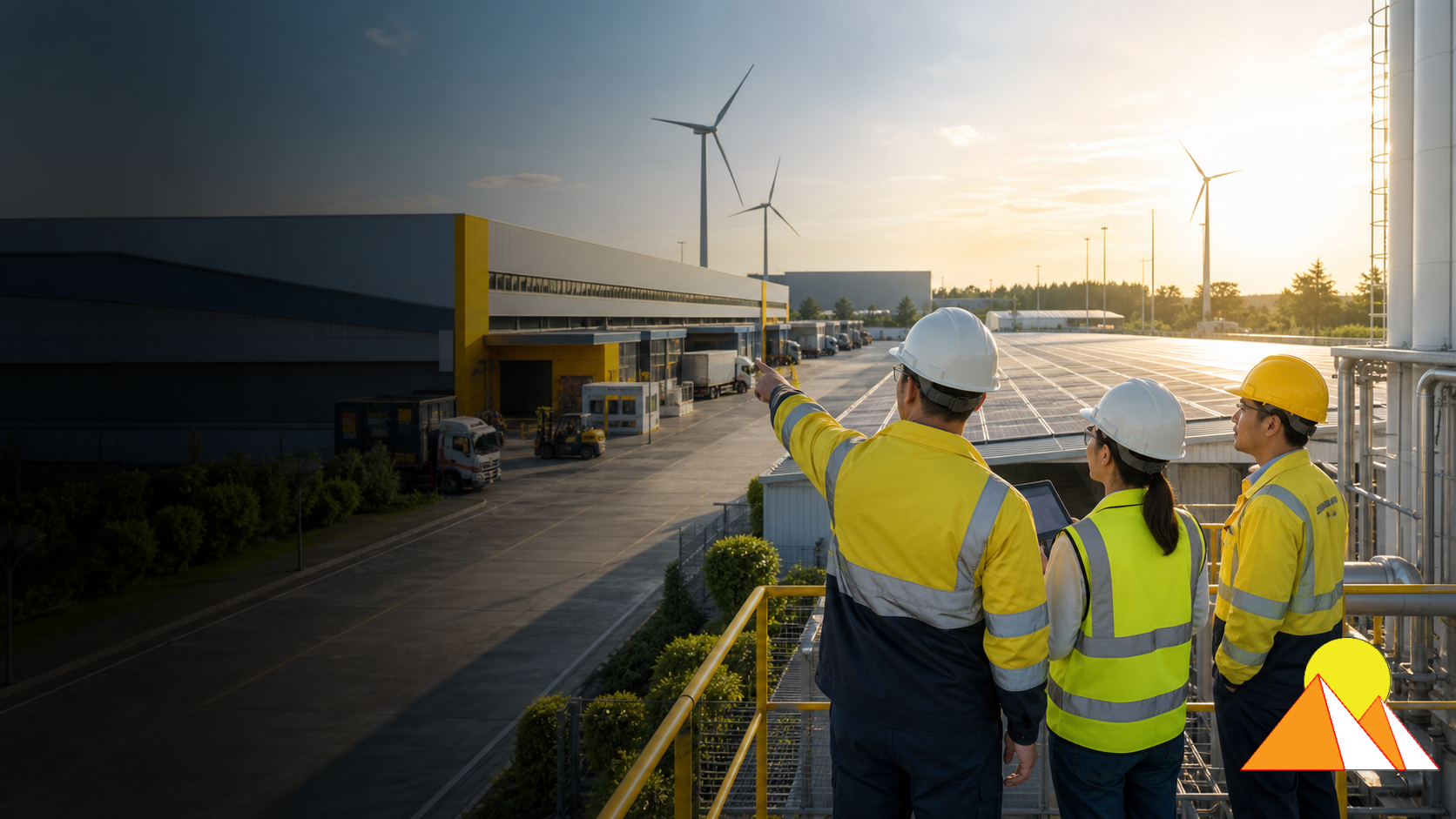
Why is 2026 a Golden Opportunity for Businesses to Transition to Clean Energy?
The unpredictable fluctuations in grid electricity prices, coupled with the national Net Zero commitment implementation roadmap, are making clean energy a top priority. As major export markets begin to adopt the Carbon Border Adjustment Mechanism (CBAM), Vietnamese businesses are compelled to transform if they wish to avoid losing their competitive edge. The reality shows that while grid electricity costs tend to escalate, the prices of renewable energy technologies such as photovoltaic (PV) panels and storage systems are significantly decreasing over time.
Data from international energy organizations indicates that investing in self-production electricity systems not only helps reduce dependence on the national grid but also serves as a shield protecting businesses from future electricity price adjustments. The synergy between government incentive policies and the readiness of technological infrastructure is creating a "golden opportunity" to optimize economic efficiency.
Current State Assessment and Energy Audit
In-depth Energy Audit Process
Before installing any system, "understanding" how energy is consumed within the business is a fundamental step. Measuring kWh per unit of product helps businesses precisely identify areas of loss. According to ISO 50001 standards, this process goes beyond simply reviewing monthly electricity bills; it involves a deep dive into the operational data of each production line.
Operations managers often use checklists to review everything from lighting systems, old, low-efficiency motors, to compressed air leaks. Practical experience shows that replacing outdated equipment can save 10-15% of total energy consumption even before implementing renewable energy solutions.
4-Stage Clean Energy Transition Roadmap for Cost Optimization
Stage 1: Consumption Optimization
The top priority is always smarter energy use. Upgrading to LED lighting systems, installing Variable Frequency Drives (VFDs) for large motors, and deploying Building Management Systems (BMS) help fine-tune consumption to actual needs, eliminating unnecessary waste during downtime or idle periods.
Stage 2: On-site Energy Production
Utilize factory rooftop spaces for installing rooftop solar power systems. This directly reduces the amount of electricity purchased from the grid, while transforming unused areas into assets that generate economic value daily.
Stage 3: Energy Storage System Integration
Storage solutions enable businesses to perform "peak shaving." By storing energy during off-peak hours and using it during peak hours, businesses avoid paying the highest electricity rates, a highly effective strategy for stabilizing cash flow.
Stage 4: Green Energy Procurement
When demand exceeds self-production capacity, signing a Direct Power Purchase Agreement (DPPA) is the optimal choice. This solution allows businesses to directly access renewable energy producers, ensuring supply stability and obtaining the necessary green certificates for emissions reporting.
ROI Analysis and Financial Models
ESCO Model
For businesses hesitant about initial capital investment risks, the ESCO (Energy Service Company) model offers a smart solution. The solution provider invests, installs, and operates the system, then shares the profits from the energy savings with the business. This allows organizations to access green technology without impacting their core business cash flow.
Financial Incentives and Green Credits
In 2026, commercial banks have introduced numerous preferential credit packages specifically for sustainable development projects. Experience from many factories shows that with thorough financial planning and clear energy audit reports, the Return on Investment (ROI) for renewable energy projects typically falls within a 4-6 year range, a very attractive figure compared to equipment lifespans of over 20 years.
Risks and Risk Management Strategies
Every change comes with challenges. Risks related to power system stability, fire safety, and routine maintenance are factors that must not be overlooked. Strict adherence to international electrical safety standards like IEC will help businesses protect assets and personnel, avoiding unnecessary production disruptions.
Business Commitment and Sustainable Development Roadmap
Transparent annual emissions data not only helps businesses produce convincing ESG (Environmental, Social, and Governance) reports but also serves to build trust with international partners and investors. When clean energy becomes part of a business's operational "DNA," its brand will naturally become more resilient in the market's eyes.
Conclusion
A clean energy transition roadmap doesn't have to be an immediate revolution. It's a process that moves from small steps like consumption optimization to large-scale investment projects. Starting now with a detailed current state audit plan is the most appropriate step for businesses not only to save costs but also to build a foundation for robust development in the new era.