
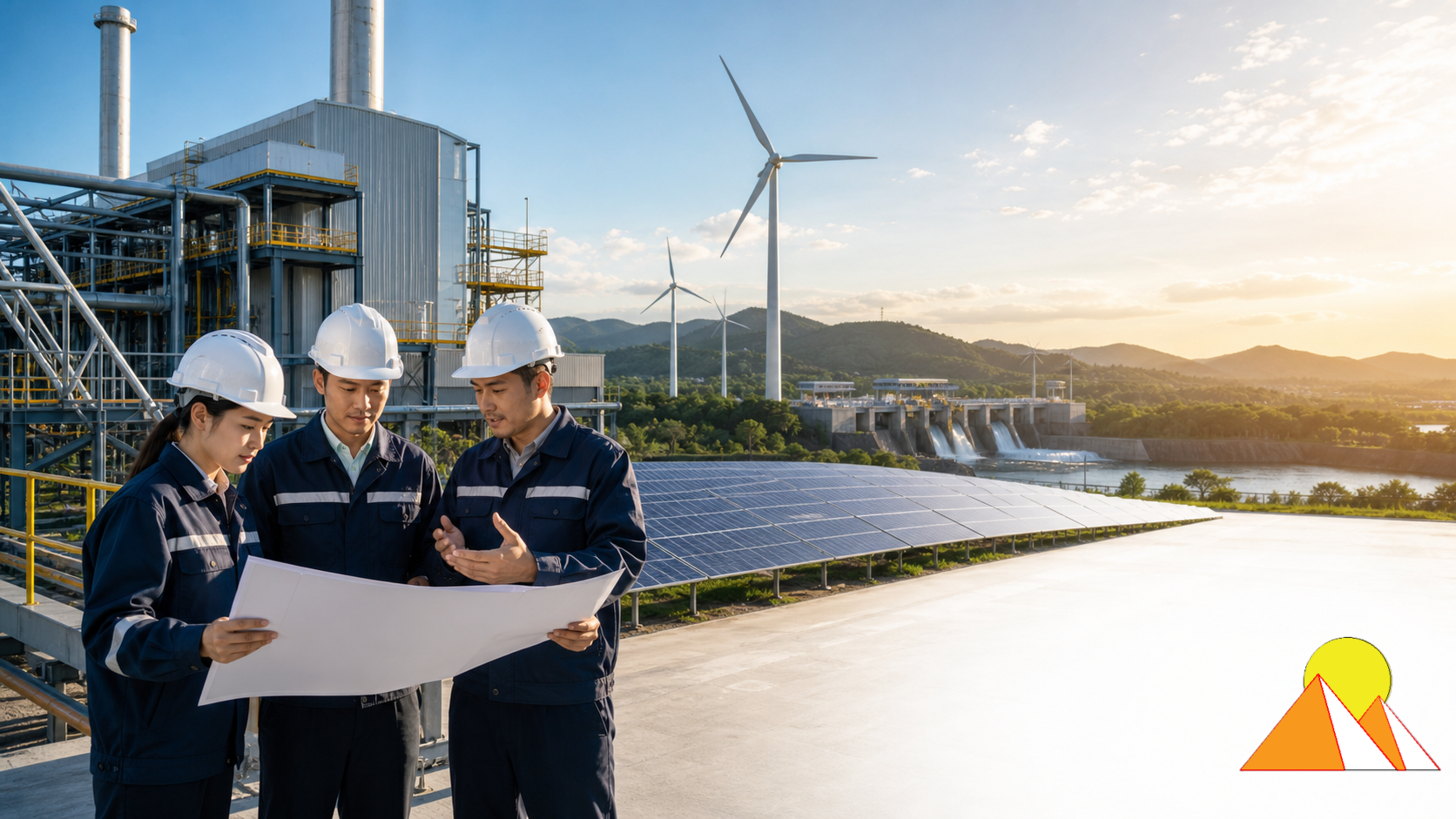
As we step into 2026, the energy narrative is no longer just a subject for macroeconomic reports; it has become integral to the operations of every business and community life. The world is witnessing a powerful transformation in how we harness and utilize energy, where sustainability is no longer an option but a vital requirement to adapt to climate change.
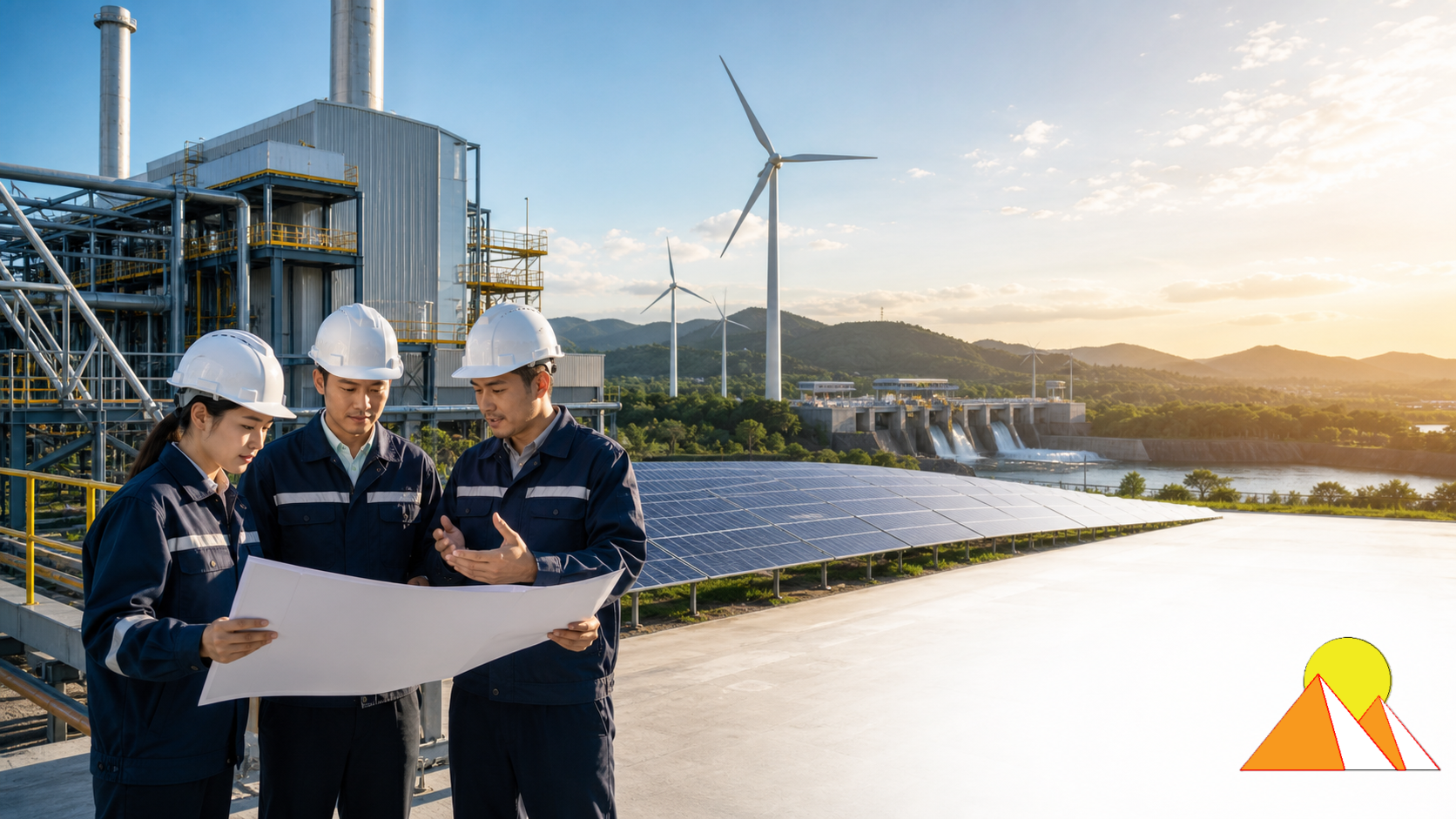
The Global Energy Transition Landscape in 2026
The roadmap towards Net Zero by 2050 has passed significant milestones. According to updated data from the International Energy Agency (IEA), the share of renewable energy sources in the global power grid mix in 2026 has shown remarkable growth compared to the beginning of the decade. This is not merely about installing wind farms or solar panels, but rather the integration of technology to optimize the stability of transmission systems. Nations are gradually moving away from fossil fuel dependence, replacing them with cleaner, more flexible solutions.
Key Renewable Energy Types
Solar Power – Advancements in Efficiency and Storage
Photovoltaic (Solar PV) technology has made significant strides. A highlight in 2026 is the widespread adoption of Perovskite solar cells, which offer broader spectral absorption and superior energy conversion efficiency compared to traditional silicon. Real-world experiences from numerous rooftop solar systems in industrial zones demonstrate that when combined with new-generation Lithium-ion battery storage technology, businesses can not only become self-sufficient in power during peak hours but also significantly reduce electricity production costs.
Wind Power – Expanding Offshore Scale
Wind power is no longer confined to onshore windy regions. Floating wind technology has enabled massive turbines to extend far offshore, where wind speeds are more stable and powerful. The expansion of large-capacity turbines optimizes land use and reduces impact on agricultural land, ushering in a new era for clean energy from the ocean.
Green Hydrogen Energy
Green hydrogen is considered the "missing piece" for decarbonizing heavy industries such as steel, cement, and maritime transport. The water electrolysis process, utilizing surplus electricity from renewable sources to produce hydrogen, is being implemented on a large scale. When hydrogen is used as fuel, the only byproduct is water, creating a perfect and pure cycle.
Biomass and Waste-to-Energy
Converting urban waste into energy (Waste-to-Energy) not only addresses environmental challenges but also generates a stable power source. Advanced thermal treatment and gasification technologies help transform landfills into valuable resources, contributing to the establishment of true circular economy models in modern cities.
Integrating Smart Technology in Energy Management
The Role of AI and IoT in Grid Operation
The combination of Artificial Intelligence (AI) and the Internet of Things (IoT) has completely transformed how we manage power grids. Instead of manual operation, current systems can accurately forecast consumption demand and regulate supply from intermittent energy sources (like solar and wind). This keeps the system balanced, minimizing power waste.
Energy Storage Systems – The Key to Stability
Solid-state batteries are gradually replacing older technologies due to their high safety and greater energy density. These are considered the "stabilizers" for renewable energy systems, ensuring power is always available even when weather conditions are unfavorable.
Assessing Economic Efficiency and Implementation Barriers
The Levelized Cost of Energy (LCOE) Challenge
The Levelized Cost of Energy (LCOE) for renewables is now highly competitive, often lower than fossil fuels in many regions. In 2026, investing in clean energy systems is no longer seen as a "cost burden" but a smart investment to mitigate financial risks caused by volatile fossil fuel prices.
Transmission Infrastructure and Policy Challenges
While technology is ready, outdated transmission infrastructure remains a "bottleneck." To achieve sustainability goals, nations need more flexible regulatory frameworks that encourage private sector participation in upgrading smart grids and inter-regional connectivity.
Recommendations and Future Direction for Sustainability
Adhering to ESG (Environmental, Social, and Governance) standards has become a passport for long-term development. According to IRENA's report, the roadmap to 2030 demands decisive infrastructure investment. Businesses and managers should begin by thoroughly assessing energy needs and planning a phased transition rather than an abrupt overhaul. Sustainability is a journey, not a one-day destination.
Information compiled based on experience tracking global energy trends from 2020 to present, reflecting the actual shifts in the energy market in 2026.