The Energy Transition Landscape in Industrial Manufacturing
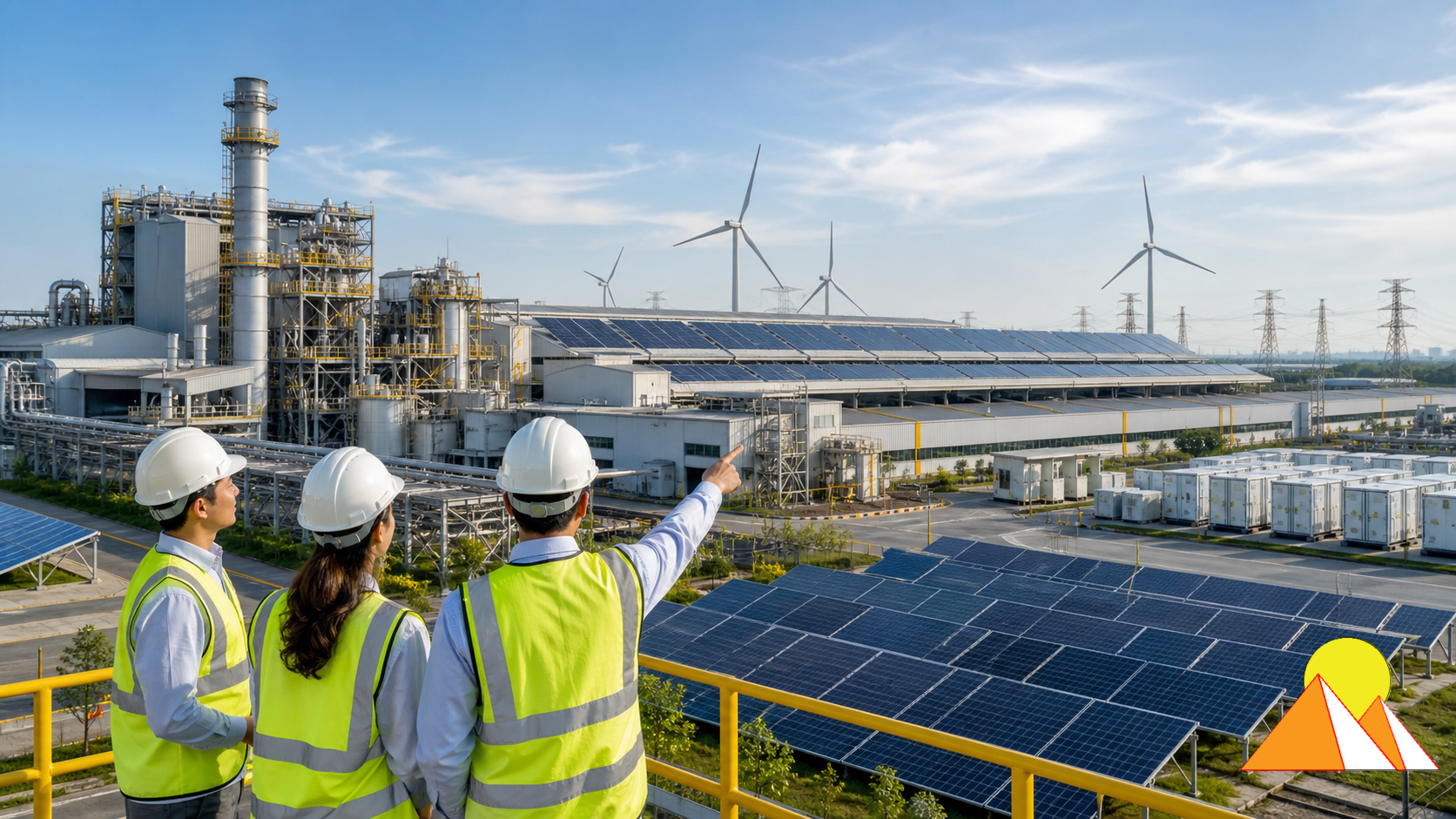
In the context of globalization, the shift of manufacturing businesses towards green energy is no longer a formal option, but has become a vital requirement. Pressure from ESG (Environmental, Social, and Governance) standards, coupled with the burden of carbon taxes in demanding export markets, is compelling managers to re-evaluate their energy strategies.According to a report by the International Energy Agency (IEA), industry currently consumes over one-third of total global energy. Maintaining dependence on traditional power grids not only leaves businesses vulnerable to price fluctuations but also runs counter to the trend of sustainable production. Energy transition is, therefore, the key to reducing long-term operating costs and enhancing competitiveness in the international market.
Optimal Renewable Energy Models for Modern Industry
Rooftop Solar Power
Leveraging vast factory roof spaces, rooftop solar power is considered the first "sweet spot" for businesses. Real-world experiences in industrial parks in Binh Duong and Dong Nai demonstrate that installing solar panel systems helps factories significantly cut electricity bills during peak hours – when electricity prices are at their highest. Beyond cost savings, this model also helps businesses reduce their carbon footprint visually and effectively.
Battery Energy Storage Systems
Renewable energy has a characteristic of instability, depending on weather conditions. This is why Battery Energy Storage Systems (BESS) become crucial. Integrating BESS helps stabilize the power supply, ensuring 24/7 production lines are not interrupted by sudden voltage drops. This is an essential stepping stone for businesses to achieve complete energy independence.
Biomass Energy from Production By-products
For industries involved in agricultural production or wood processing, utilizing waste products to generate energy is a quintessential circular economy model. Instead of incurring waste disposal costs, businesses can convert these by-products into thermal or electrical energy, creating a nearly closed-loop and highly economical production cycle.
Evaluation Criteria and Solution Selection for Businesses
Feasibility Analysis Based on Load Demand
Before investing, "diagnosing" the electrical system is an indispensable step. Analyzing the Load Profile helps accurately determine actual electricity consumption needs at different times. An optimal design must balance installed capacity and consumption levels, avoiding energy surplus that leads to wasted investment.
Investment Efficiency and Payback Period
When calculating efficiency, experts often use the LCOE (Levelized Cost of Electricity) formula to compare grid electricity with renewable energy sources. LCOE helps managers see the overall cost picture throughout the project's lifespan instead of just the initial equipment price. Typically, for rooftop models, the current payback period ranges from 4 to 6 years, a very promising figure given rising electricity prices.
Implementation Experience: Challenges and Expert Solutions
In practical implementation, grid integration and maintaining voltage stability are technical hurdles that deter many entities. Lead engineers on numerous large projects share that the key lies in selecting smart inverters and integrated Energy Management Systems (EMS). The most common issue is harmonic conflicts between the national grid and self-generating systems; however, if accurately designed from the pre-inspection phase, these issues can be fully controlled.
Sustainability Commitment and International Compliance Roadmap
Owning a renewable energy system goes beyond economic efficiency. It also serves as a "passport" for businesses to access prestigious certifications such as LEED, EDGE, or ISO 50001. These certifications play a crucial role in affirming brand reputation, helping businesses easily participate in global supply chains that are tightening Net Zero standards.
Conclusion: A Vision for Green Manufacturing
The energy transition is a long-term journey, requiring perseverance and strategic thinking from leaders. Instead of setting ambitious, distant goals, businesses can start with an energy audit to understand their specific needs. From there, they can select appropriate renewable solutions one step at a time. A green manufacturing base not only helps businesses thrive in the future but also contributes value to the sustainable development of the community.
Author: Industrial energy solutions consultant with over 10 years of practical experience in optimizing factory operations.FAQ Q: Where should businesses start their energy transition?A: Businesses should begin with an energy audit to determine their load profile and actual electricity consumption needs before selecting appropriate technology.Q: Are Battery Energy Storage Systems (BESS) truly necessary?A: BESS are crucial if a business requires absolute stability for 24/7 production lines and aims to minimize risks from renewable energy intermittency.Q: What benefits do green certifications like LEED or ISO 50001 offer?A: These certifications enhance reputation, help businesses easily participate in international supply chains, and meet stringent export standards.Q: Are the initial investment costs for these models too high?A: While initial costs can be significant, the LCOE metric demonstrates long-term operational cost savings, with payback periods typically ranging from 4-6 years.