
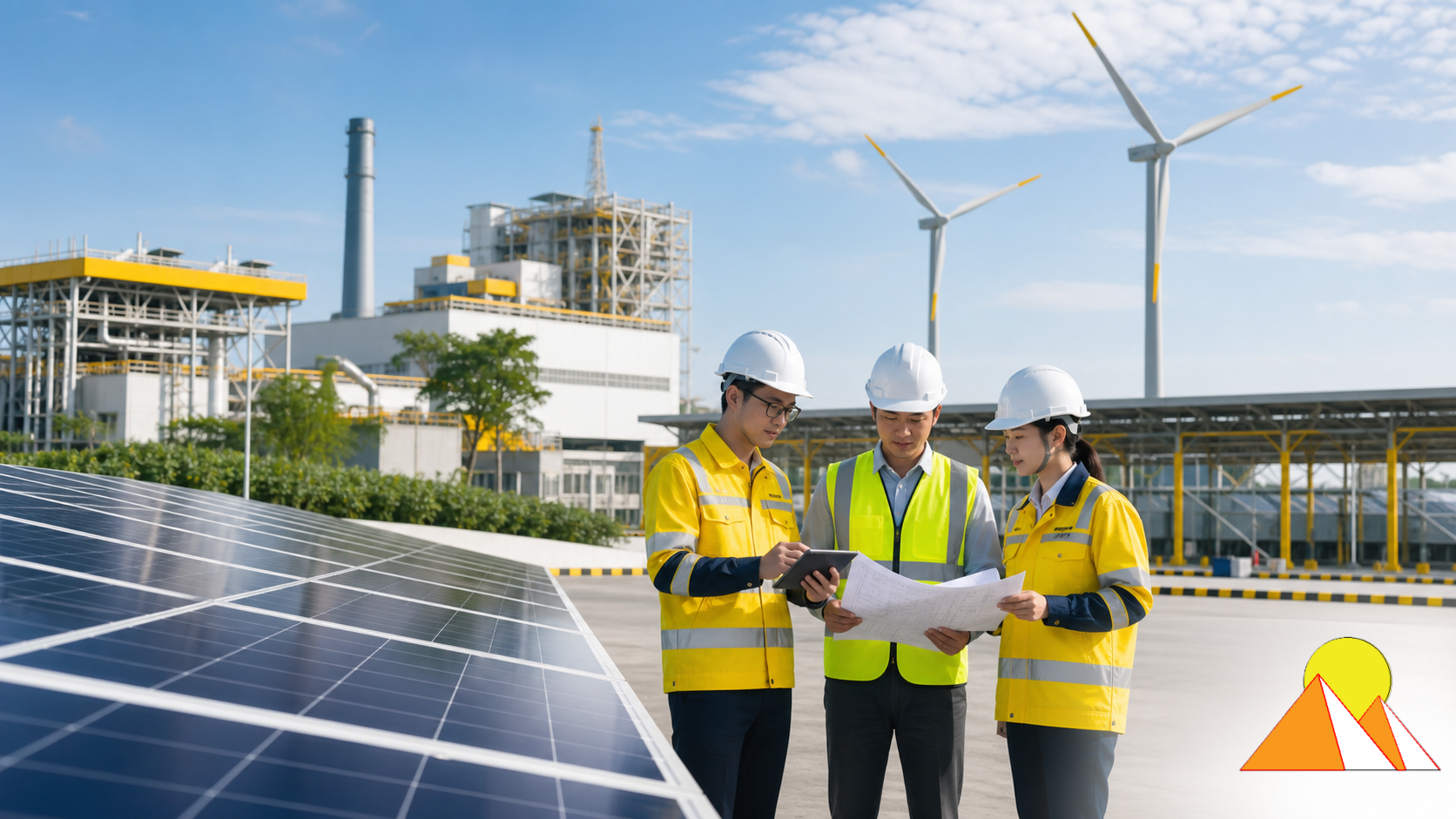
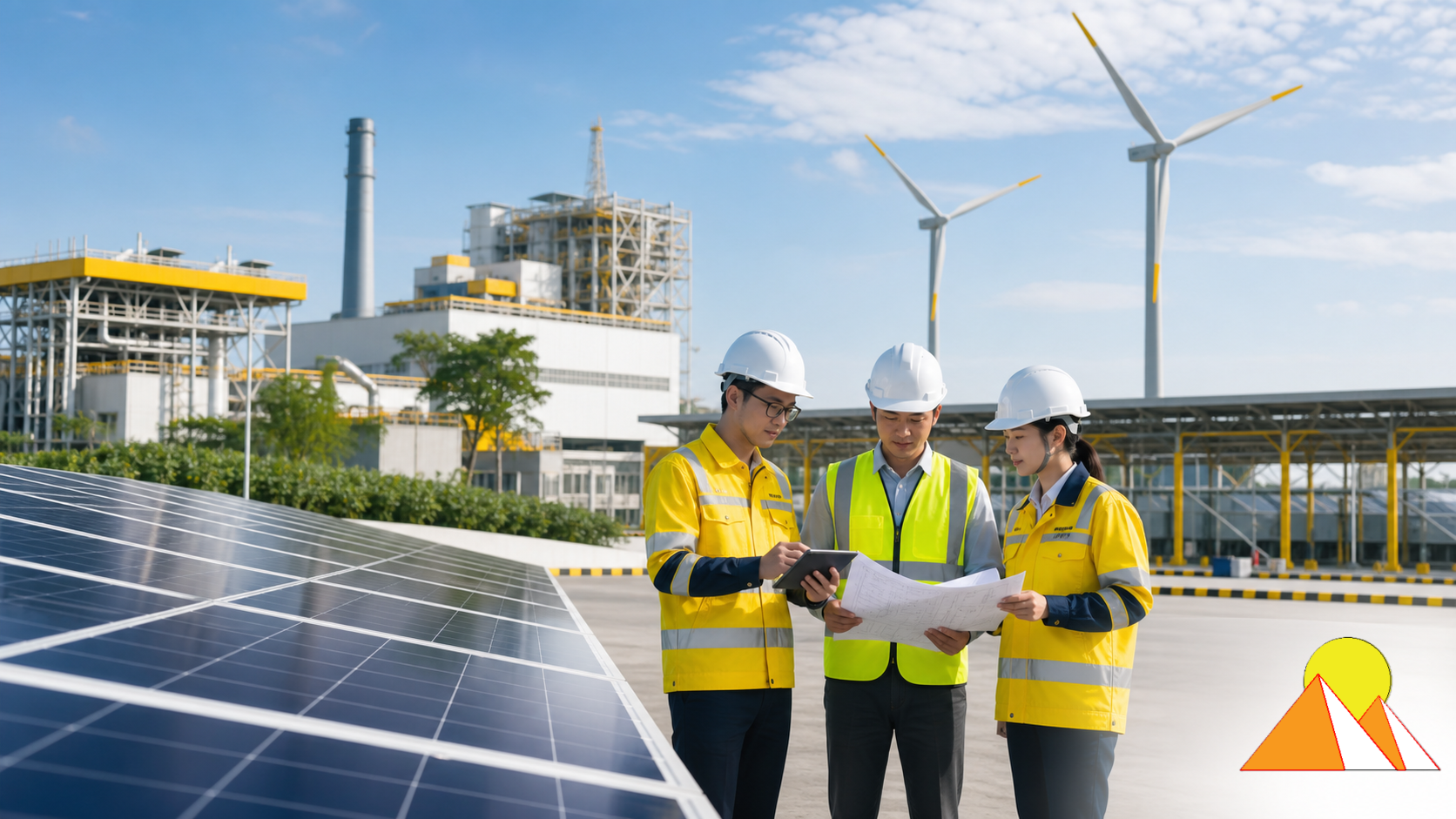
In an era where climate change is no longer a distant threat but directly impacts all aspects of life, the energy challenge has become a top priority for many organizations. Following strong Net Zero commitments at various COPs, governments worldwide, including Vietnam, are vigorously promoting the transition to green energy. Viewing renewable energy not merely as an environmental responsibility, but as a smart economic strategy, is increasingly becoming the dominant mindset among visionary leaders.
Renewable Energy and a Sustainable Vision
Energy transition is not just a technological shift; it's a fundamental change in operational mindset. As fossil fuels increasingly reveal their finite nature and volatility, renewable energy sources like solar and wind power are asserting their role as the "key" to a more secure future. Government commitments to carbon neutrality are not merely pressures but also a roadmap for businesses to reshape their business models, ensuring resilience against unpredictable fluctuations in the global energy market.
Optimizing Operational Costs from an Investor's Perspective
Analyzing the LCOE Metric
Many businesses often hesitate due to the initial investment cost of renewable energy. However, when examining the LCOE (Levelized Cost of Energy) – a metric measuring the total cost of energy production over a project's lifetime per unit of electricity – the picture changes entirely. Reports from IRENA indicate that the installation and operating costs of solar and wind power systems have significantly decreased over the past decade, making them far more competitive than traditional fossil fuels.
Predictability of Energy Costs
Stability is golden in business. While electricity prices from national grids are often pressured by fluctuating input fuel costs, renewable energy offers "peace of mind" on the balance sheet. After the initial payback period, the marginal cost of maintaining electricity production is nearly zero. This is a core competitive advantage, allowing businesses to proactively control long-term costs without relying on market price shocks.
Real-World Experiences from Green Transitioning Businesses
Case Study: Rooftop Solar for Manufacturing
Real-world experiences at several manufacturing plants in the Southern region demonstrate that installing rooftop solar systems helps these facilities cut monthly electricity costs by 20% to 35%. Beyond just savings, the systems maximize the use of otherwise idle factory roof space, transforming a fixed cost into a self-sufficient resource.
Real-World Operational Challenges
Of course, this path is not entirely paved with roses. The intermittency of clean energy sources, especially during periods of low sunlight or wind, remains a challenge needing solutions. Battery Energy Storage Systems (BESS) are now being considered by businesses as a crucial solution to stabilize energy flow, ensuring uninterrupted production processes even when weather conditions are unfavorable.
Intangible Value: Enhancing Competitiveness and Brand Reputation
Meeting ESG Standards
In an era where international investment funds rely on ESG standards for funding decisions, renewable energy acts as a "passport." Integrating green energy into operations makes it easier for businesses to access preferential financing, such as green loans or green bonds, often with significantly more attractive interest rates than conventional borrowing.
Green Consumer Trends
Modern consumers, especially Gen Z and Millennials, are increasingly scrutinizing the origin of the products they use. Consumer behavior reports from McKinsey show that customers tend to prioritize products from brands with clear environmental commitments. Using renewable energy is not just a way to reduce emissions; it's also an effective marketing strategy, affirming a brand's responsible and ethical standing.
Transparent Systems and Supplier Commitments
Transparency is reinforced through Renewable Energy Certificates (RECs), which allow businesses to legitimately "label" their products as green. Simultaneously, support from IoT and AI monitoring technologies helps track system performance in real-time. This data not only optimizes operations but also provides valuable evidence for independent auditors when businesses compile their sustainability reports.
Advice for a Long-Term Transition Roadmap
Initiating this process should not be an abrupt change. Businesses should start by closely assessing their actual energy consumption needs at various times. Subsequently, choosing an investment model – whether self-financing system ownership or participating in a Direct Power Purchase Agreement (DPPA) – will largely depend on each entity's financial capacity and risk appetite. The advice here is to start with small-scale projects to familiarize oneself with operations before taking larger steps.
Investing in renewable energy is not merely about changing power sources; it's about preparing for a future where sustainability is the compass guiding businesses further and more steadily amidst a volatile market.
Author: A sustainable energy analyst with over 10 years of experience consulting on green transition roadmaps for manufacturing businesses in Vietnam.