
As we approach 2026, the energy transition is no longer a mere option but a critical imperative for Vietnamese businesses. Faced with pressure from Net Zero commitments and technical barriers like the Carbon Border Adjustment Mechanism (CBAM) from demanding export markets, sourcing clean energy not only helps reduce carbon footprints but is also key to maintaining a competitive edge.
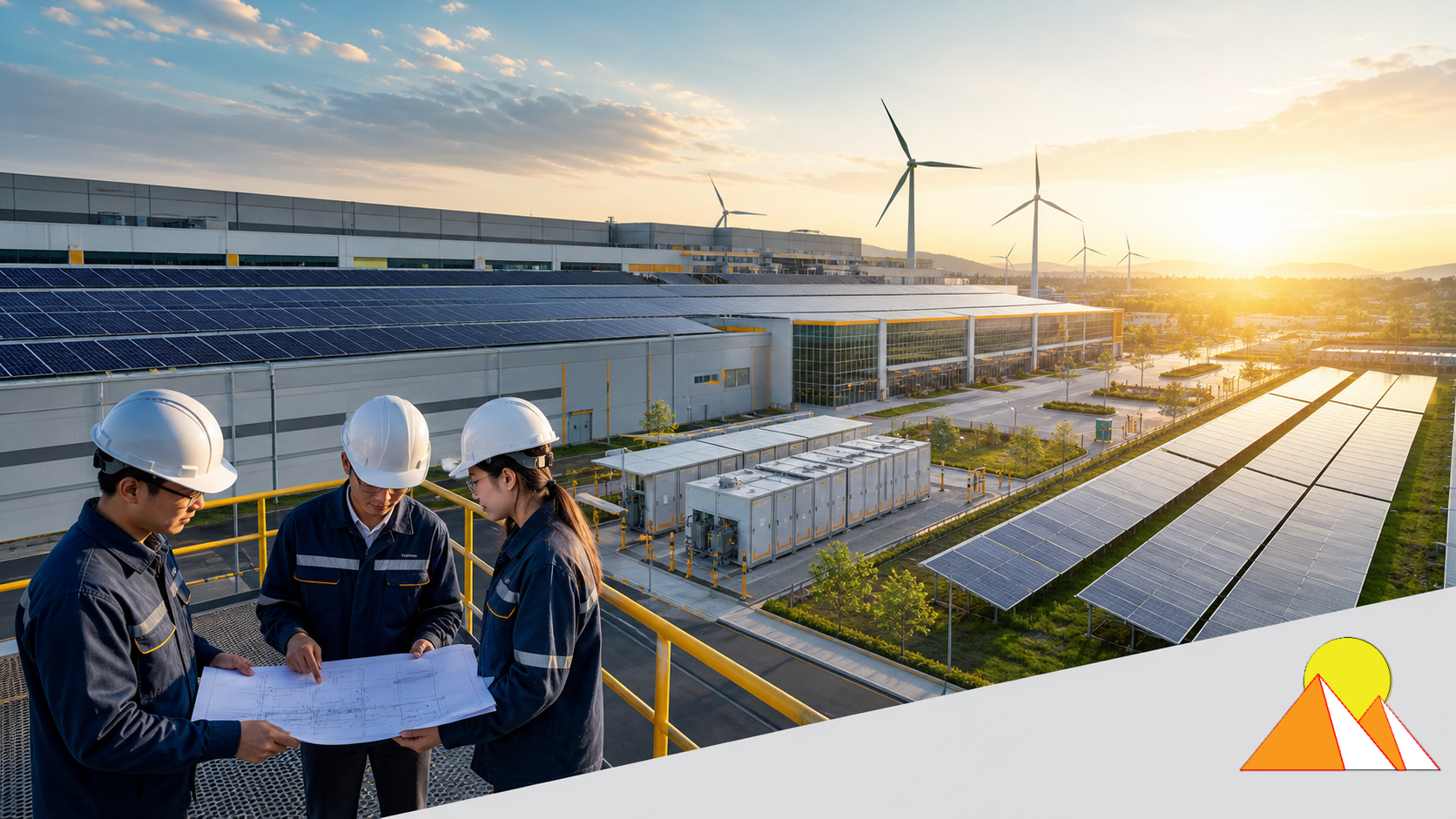
The Green Energy Transition Landscape for Vietnamese Businesses in 2026
Vietnam is under significant pressure from the emission reduction roadmap committed by the government at COP26. Businesses, particularly in manufacturing, are facing stringent demands regarding ESG (Environmental, Social, and Governance) standards. In practice, international partners now prioritize suppliers with transparent emission reports and a commitment to clean energy. Lagging in this transition means businesses could lose high-value orders or face costly carbon taxes.
Top 4 Optimal Renewable Energy Solutions for Businesses
Rooftop Solar – The "Self-Production, Self-Consumption" Solution
By 2026, solar panel technology will have made significant advancements in conversion efficiency. With incentives for self-production and self-consumption, many industrial zones have installed rooftop solar systems to utilize warehouse space. Practical experience at factories shows that this installation not only substantially reduces monthly electricity costs but also helps businesses stabilize their input electricity prices in the long term.
Small to Medium-Scale Wind Power Solutions
For businesses with available land in coastal areas or regions with good wind speeds, installing vertical or horizontal axis wind turbines is a viable option. Unlike massive offshore projects, smaller-scale turbines can be flexibly integrated, effectively complementing solar power systems and ensuring a continuous power supply even when the sun isn't shining.
Battery Energy Storage Systems (BESS) – The Key to Stability
Renewable energy inherently has intermittent characteristics, but the emergence of BESS has completely changed the landscape. BESS acts like a giant "battery," allowing businesses to store excess electricity from solar or wind during the day for use during peak hours, helping to shave peak loads and reduce strain on the grid.
Direct Power Purchase Agreements (DPPA) – Opportunity from a New Mechanism
The Direct Power Purchase Agreement (DPPA) mechanism is a crucial component that allows businesses to access renewable energy from the national grid without needing on-site infrastructure investment. This is an optimal choice for entities with limited rooftop space yet committed to using 100% green electricity in their production processes.
Economic Efficiency Assessment: ROI and Payback Period
According to data from international energy reports, the Capital Expenditure (CAPEX) for renewable energy technologies is trending downwards, while Operational Expenditure (OPEX) is increasingly optimized. Typically, a rooftop solar project can achieve payback within 5 to 7 years, depending on the scale and actual electricity consumption. This is a highly sustainable investment, generating surplus value in brand image for partners and investors.
Case Study: Businesses That Have Successfully Transformed
An electronics component manufacturing plant in a southern industrial park recently achieved LEED certification after integrating a smart Energy Management System (EMS) with solar power. After two years of implementation, the facility reported a 30% reduction in grid electricity consumption. More importantly than financial benefits, the business successfully negotiated new supply contracts with demanding European partners by demonstrating successful green transformation.
Expert-Standard Steps for Energy Transition Implementation
To achieve maximum effectiveness, businesses should not rush into investment but start with an energy audit. Clearly defining consumption needs and identifying "energy-hungry" points will help in selecting appropriate technologies. Next, collaborating with specialized consulting firms for system design and utilizing digital platforms for real-time energy monitoring and supervision are essential steps.
Commitment and Transparency in Sustainability Reporting
Holding certifications like I-REC (International Renewable Energy Certificates) is a "passport" for businesses to affirm their green commitment globally. Furthermore, prioritizing project partners with ISO 50001 certification not only ensures system quality but also makes post-operational energy management more professional and efficient.
Conclusion and Strategic Advice for Businesses in 2026
The energy transition is not a destination but a long-term journey. Businesses that begin planning and implementing now will gain a proactive advantage amidst future fluctuations in energy policy and costs. The combination of modern technology and strategic vision is the key for businesses to achieve sustainable development in the new decade.