
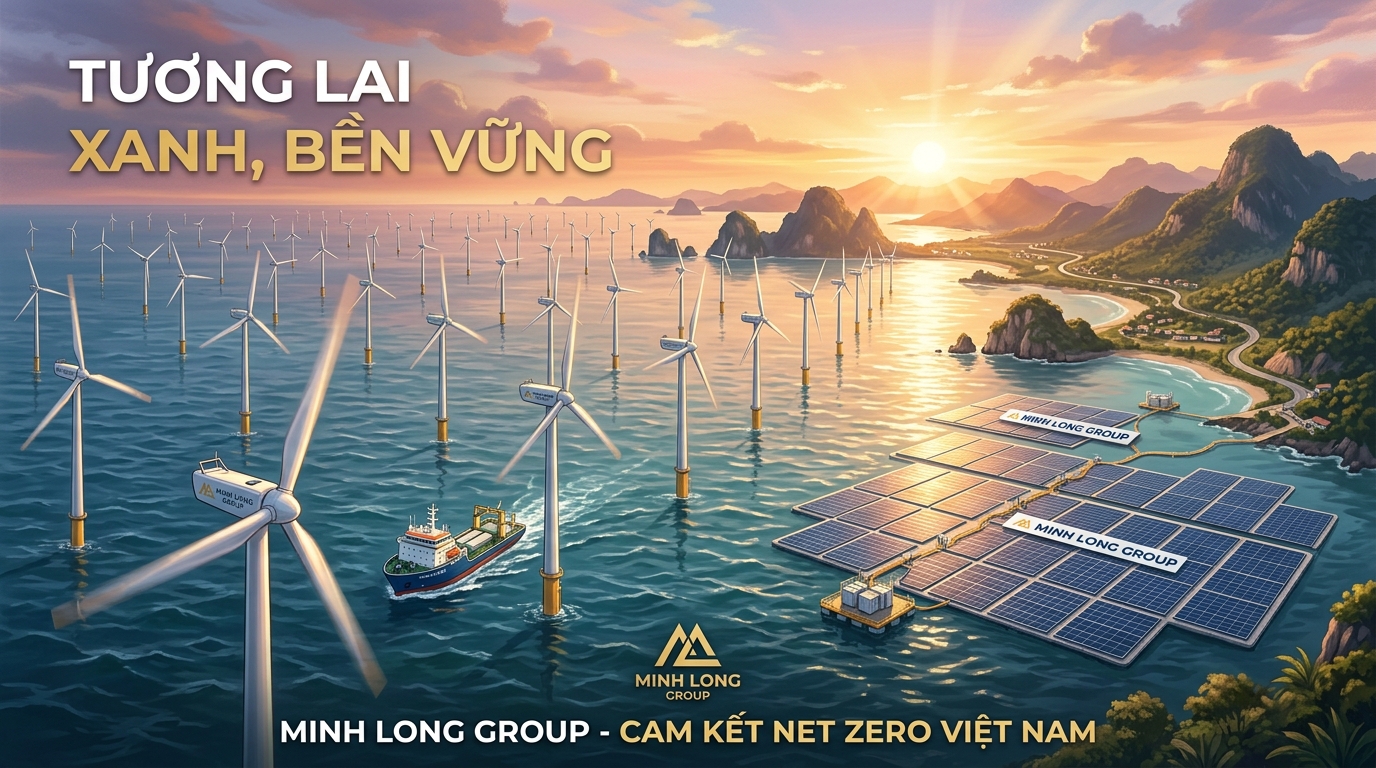

Vietnam stands at a historical turning point in the race for energy transition. Following strong commitments at COP26 to achieve Net Zero by 2050, energy is no longer just about electricity output, but about choosing the most sustainable energy sources. With rapid economic growth, pressure on the power system is immense. Therefore, Power Development Plan VIII (PDP8) has officially become the "guideline", laying the groundwork for prioritizing wind power, solar power development, and gradually reducing coal-fired power.
Vietnam's Energy Transition Landscape
The shift from fossil fuels to renewable energy is not only a global trend but also an internal necessity for Vietnam. The national energy system requires a stable supply to sustain industrial growth while ensuring environmental protection. The implementation of Power Development Plan VIII (PDP8) outlines a clear roadmap: focusing on large-scale projects to maximize Vietnam's abundant natural potential, while gradually replacing old, inefficient thermal power plants.
Top 3 Game-Changing Clean Energy Projects
The Power of Offshore Wind
Offshore wind energy is considered Vietnam's new "gold mine" due to its long coastline. Projects like Thang Long Wind and wind farm clusters in Binh Thuan demonstrate the capacity of domestic enterprises, in collaboration with international partners, to deploy complex technical solutions. These colossal turbines rising from the sea are not just symbols of technology but also represent challenges in operation and maintenance under harsh ocean conditions. Observers can see that each erected wind pillar signifies a step forward in professional engineering thinking.
Large-Scale Solar Power Farms
It's not hard to spot "sun carpets" stretching across Ninh Thuan and Binh Thuan provinces. These large-scale solar power farms have transformed the landscape of arid regions. However, the biggest challenge lies in transmission efficiency. When massive amounts of electricity are generated simultaneously, the issue of storage and dispatch to the national grid becomes urgent. Battery Energy Storage Systems (BESS) solutions are currently being researched for integration to ensure a stable power flow, whether on scorching sunny days or during peak hours.
Waste-to-Energy Transformation
A notable highlight is the emergence of modern waste-to-energy plants, exemplified by the facility in Soc Son. Instead of traditional landfilling that harms soil and groundwater, waste incineration for power generation simultaneously addresses two issues: urban waste treatment and electricity supply to the grid. This represents a circular economy model that Vietnam is aiming for, transforming urbanization pressures into a valuable resource.
Impact on National Grid Infrastructure
As more renewable energy sources integrate into the grid, transmission infrastructure acts as the "backbone." Data from Vietnam Electricity (EVN) shows a rapidly increasing proportion of renewable energy in the system, necessitating synchronized infrastructure upgrades. This integration extends beyond high-voltage transmission lines to smart control systems designed to balance capacity and mitigate localized overload situations often observed at energy hotspots.
Challenges and the Path to Sustainable Development
For projects to truly come to fruition, the legal framework plays a decisive role. Previous mechanisms like feed-in tariffs (FIT) spurred a boom, but now, Direct Power Purchase Agreements (DPPAs) are opening a new chapter, allowing businesses greater autonomy. According to experts at the World Bank, Vietnam's transition roadmap requires a harmonious combination of incentive policies, transparent planning, and the mobilization of international green capital flows.
Future on the Green Energy Map
Vietnam has ample potential to become Southeast Asia's green manufacturing hub. The participation of high-quality FDI and modern technology not only shortens the industrialization roadmap but also enhances Vietnam's position in the global supply chain. When products are manufactured using clean energy, their competitive value in the international market will significantly increase.
Conclusion
The development of clean energy projects is not just a story of numbers or colossal undertakings, but an effort to ensure long-term energy security for every household and business. Transparent management and sustainable commitment from the Government, along with reputable investment entities, will be the guarantee for a green future. Readers can find official information on these projects through the Ministry of Industry and Trade's e-portal or reports from leading energy corporations.
The author has over 10 years of experience in energy and sustainability analysis, regularly tracking the green transition roadmap in Southeast Asia since 2014.